A job interview is a key chance to make a good impression. It is more than just answering questions. It is a time to show why you are the best person for the role and the company. Good preparation builds the confidence you need to succeed. It helps you talk about your skills and experience clearly. Think of it as building a strong story about your professional life.
This guide gives you a useful checklist of job interview preparation tips. We will go beyond common advice. You will get specific strategies you can use right away. Each step is made to help you get a job offer. This starts with how you look online. Recruiters often check your profile before they talk to you. Having one of the best LinkedIn profile pictures is a good first step for your professional brand.
From there, we will cover many topics. We will discuss deep company research and answering behavioral questions. We will also talk about writing the perfect follow-up email. These tips are for everyone. They can help new graduates, mid-career workers, or freelancers. Let’s start building your plan for interview success.
1. Research the Company Thoroughly
Doing company research is a very important job interview preparation tip. It shows you are more than just a candidate. It shows you could be a partner who understands the business. This means looking deeply into the company's identity, recent news, and place in the market.
Going beyond the company's homepage shows you are truly interested. It helps you make your answers specific to them. For example, you might find the company started a new green project. You can then connect your own project management experience to that goal. Or you might learn their top competitor just launched a new product. This lets you talk about how your skills can help them stay ahead. This level of research shows you are serious and want them to succeed.
How to Conduct Your Research
To research well, focus on these main areas:
- Company Vitals: Start on the company website. Read the "About Us," "Mission," and "Values" pages. Learn what is important to them.
- Recent News: Look at their press releases and recent news stories. What are their latest achievements or challenges?
- Cultural Fit: Check their social media and read employee reviews on sites like Glassdoor. This gives you an idea of the work environment.
- Key People: Find your interviewers on LinkedIn. Knowing their background can help you connect with them.
- Market Position: Know their main competitors. Understand what makes the company special in its industry.
Make a one-page summary of what you find. This page will be your guide during the interview.
2. Practice the STAR Method for Behavioral Questions
The STAR method is a great tip for answering behavioral questions. This structure helps you tell short, clear stories that show your skills. Behavioral questions ask for examples of your past work. For instance, "Tell me about a time you handled a difficult situation." STAR stands for Situation, Task, Action, and Result. It makes sure your answer is clear and strong.

Instead of a general answer, STAR guides you to give a specific example. If asked about leadership, you can describe a project with a deadline (Situation). Your goal was to finish it early (Task). You can explain the steps you took to lead your team (Action). Then, share the successful outcome of finishing two weeks early (Result). This changes a simple answer into a memorable story. It proves you can do the job.
How to Use the STAR Method
To use this method well, prepare your stories before the interview:
- Situation: Briefly explain the context. Where did this happen? What was the challenge?
- Task: Describe what you had to do. What was your goal?
- Action: Detail the specific steps you took. Use strong verbs. Focus on what you did.
- Result: End with the outcome. Use numbers to show your success when you can.
Prepare 5-7 stories about key skills. These can include leadership, teamwork, and problem-solving. This preparation will help you share strong examples with confidence.
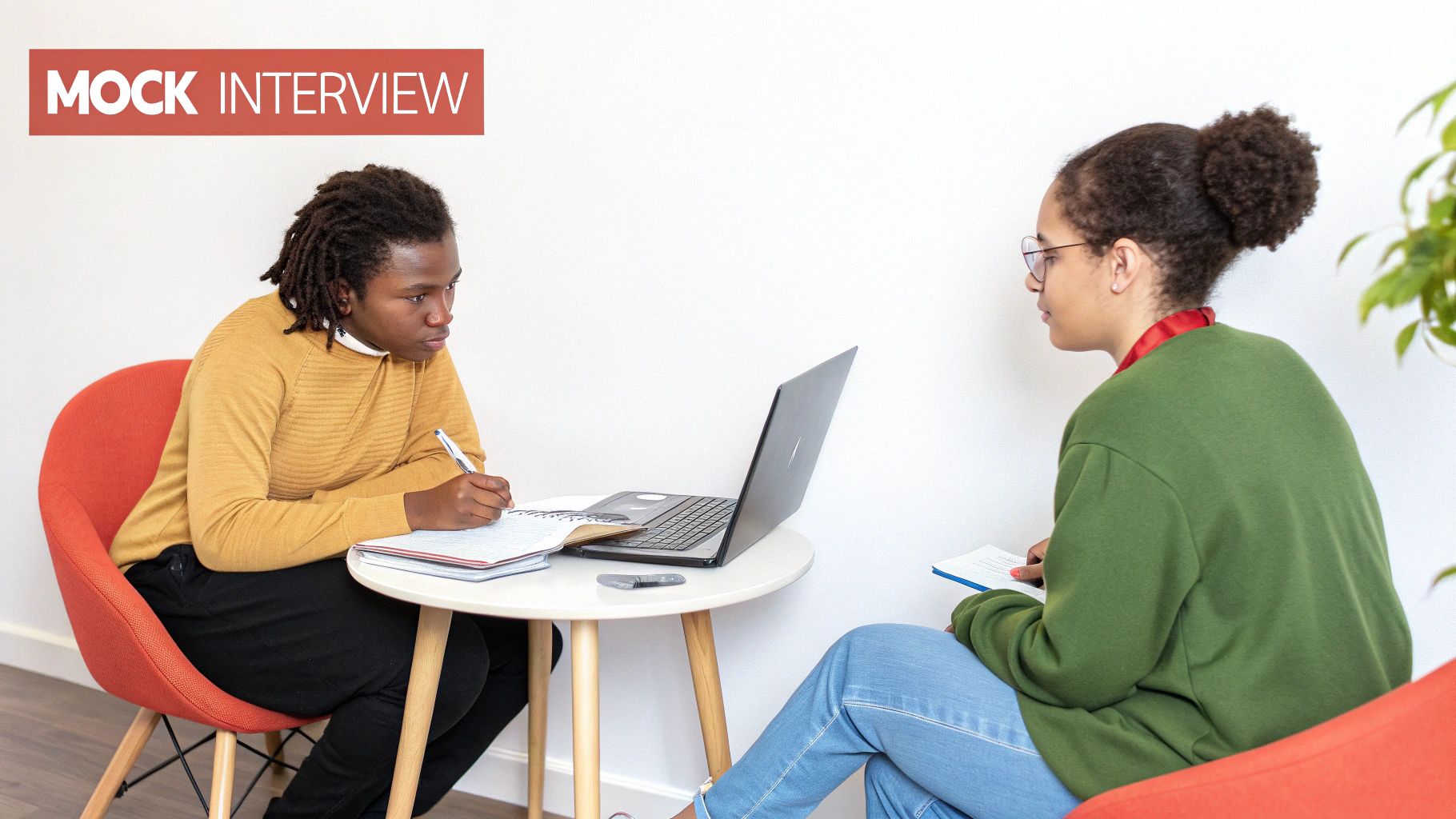
3. Mock Interview Practice Sessions
Mock interviews copy the feel of a real interview. This makes them one of the best job interview preparation tips. This practice helps you apply what you have learned. You can improve your answers and feel less nervous. It lets you find weak spots in a safe setting.
A marketing professional can practice with a career coach for specific feedback. A software engineer can use a platform to solve technical problems out loud. A practice run shows how you act under pressure. It gives you feedback on your body language and the clarity of your answers. It is the closest thing to a real interview.
How to Conduct a Mock Interview
To get the most from practice, make it realistic:
- Simulate the Environment: Schedule the practice for the same time as your real interview. If it is a video call, use the same setup.
- Vary Your Partners: Practice with different people. Ask a mentor, a friend, or a coach. This exposes you to different question styles.
- Record Yourself: Record the session on video to watch yourself. Look at your body language, eye contact, and filler words.
- Use Relevant Questions: Ask your partner to use real questions for the role or company. You can often find these on Glassdoor.
- Request Specific Feedback: Ask for direct, helpful criticism. Ask what you did well and what you can improve.
- Practice Difficult Questions: Rehearse answers to hard questions. Practice "What is your biggest weakness?" until it sounds natural.
Try to do at least three mock interviews. This repetition helps you feel more comfortable and professional.
4. Develop and Memorize Your Personal Elevator Pitch
A personal elevator pitch is a short, 30-to-60-second speech. It introduces who you are and what you do. It is a vital job interview preparation tip. It is often your answer to "Tell me about yourself." This is your first chance to shape your professional story and make a strong impression.
A polished pitch helps you start the interview with confidence. For instance, a project manager might say, "I am a certified PMP with 8 years of experience. I deliver complex projects on time. I am skilled in leading teams and have improved processes, cutting timelines by 20%. I am looking for a role where I can use these skills in a fast-paced setting." This answer is short. It highlights clear results and states their goal. It sets a professional tone.
How to Craft Your Pitch
To make your pitch effective, include these parts:
- Start with a Hook: Begin with a clear statement. For example, "I'm a digital marketing strategist with 7 years of experience…"
- Highlight Key Achievements: Include one or two big successes with numbers. "I increased customer acquisition by 45%…"
- Connect to the Role: Mention skills that are relevant to the job description. Change this part for each interview.
- State Your Goal: End by explaining what you want in your career. Say why this company or role is a good fit.
- Practice, Don't Recite: Rehearse your pitch until it sounds natural. It should not sound like a script. Record yourself to check your tone.
5. Research and Prepare Thoughtful Questions to Ask
Asking good questions is a powerful job interview preparation tip. It changes the interview from a test to a conversation. It shows you are not just looking for any job. You are checking if this role, team, and company are right for you.
When you ask smart questions, you show curiosity and deep thinking. Asking about the main goals for the first six months shows you are goal-oriented. Asking about the team's biggest challenge shows you want to help find solutions. This active approach proves you are an engaged candidate. It shows you have thought beyond the job description.
How to Prepare Your Questions
To make this part of the interview work for you, focus on these areas:
- Role-Specific Questions: Focus on what is expected. Ask, "What does a successful first 90 days look like in this role?"
- Team and Culture Questions: Understand the work environment. Ask, "Can you describe the team's communication style?"
- Strategic and Growth Questions: Show you are thinking long-term. Ask, "What are the biggest opportunities for the department in the next year?"
- Active Listening Follow-ups: Pay attention during the interview. If the interviewer mentions a new project, you can ask a follow-up question about it.
Prepare 8-10 questions before the interview. Plan to ask the 3-4 most important ones. This preparation ensures you have good questions ready. It makes you look confident and interested.
6. Master Your Body Language and Non-Verbal Communication
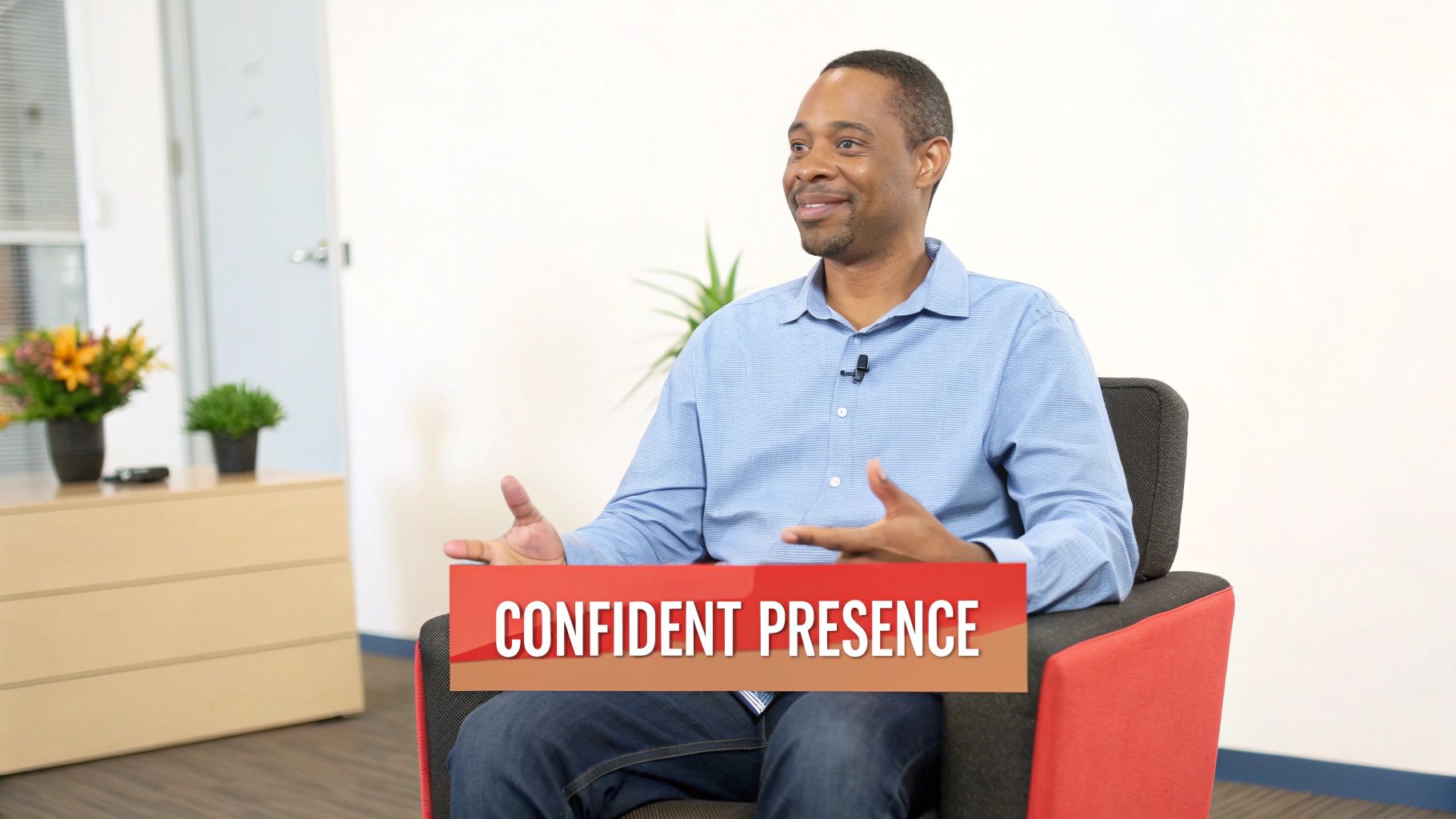
Your body language is a key job interview preparation tip. It often says more than your words. Non-verbal signs like posture and eye contact affect how an interviewer sees you. They can show your confidence and honesty. The way you hold yourself can support your answers or weaken them.
A confident, open posture makes you seem more capable. Poor body language, like slouching, can signal you are not interested. For example, leaning forward shows you are engaged. Using natural hand gestures can help you make your points. These non-verbal signals build a connection with the interviewer. They make you more memorable.
How to Improve Your Non-Verbal Cues
To show confidence, practice these actions before your interview:
- Practice Your Handshake: Offer a firm handshake. It should be strong but not too hard. It sets a professional tone.
- Maintain Good Eye Contact: Look the interviewer in the eye about 70-80% of the time. Look away briefly when you think to seem natural.
- Sit with Purpose: Sit up straight with relaxed shoulders. This helps you look alert and engaged.
- Use Natural Gestures: Keep your hands where they can be seen. Use them to help explain your points. Avoid crossing your arms.
- Master Virtual Presence: For video calls, put your camera at eye level. Look into the camera lens to make eye contact.
7. Prepare for Common and Uncommon Interview Questions
Preparing answers to interview questions helps you avoid getting stuck. It shows you are ready. This means you should plan answers for common questions. You should also have a plan for unexpected ones.
Knowing your main talking points helps you stay calm. For example, when asked "Tell me about yourself," a prepared answer connects your experience to the job. When asked about a time you failed, a good response can show it was a learning experience. This preparation shows the interviewer you are a serious and organized candidate.
How to Prepare Your Answers
To prepare well, focus on these areas:
- Script Core Questions: Write answers to the top 20 common questions. This includes "Why do you want this job?" Practice them until they sound natural.
- Use the STAR Method: For behavioral questions, use the Situation, Task, Action, Result method. This creates a clear story with specific examples.
- Customize for the Role: Match your answers to the company’s values and the job. If they value new ideas, prepare examples of your own innovations.
- Record Yourself: Use your phone to record your answers. Watch it to check your speed, body language, and use of filler words like "um."
- Prepare for the Unexpected: Think about unique questions related to the industry. Plan how you would answer them so you are not surprised.
A well-practiced but flexible approach helps you handle any question. It shows your skills and your ability to think quickly.
8. Dress Appropriately for the Company Culture and Role
Your appearance is one of the first things an interviewer sees. Choosing the right outfit is a key part of your job interview preparation tips. Dressing well shows respect for the opportunity. It shows you understand the company culture and are professional.
A smart approach is always best. A candidate for a bank would wear a formal suit. This shows they understand the industry's serious culture. Someone applying to a tech startup might wear smart business casual. This fits a more relaxed setting. This choice proves you have done your research. It helps you make a good first impression.
How to Choose Your Interview Outfit
To make sure your clothes send the right message, follow these tips:
- Research the Culture: Look at the company’s website and social media. See what employees wear. This is your best clue. For women in more relaxed workplaces, explore these 7 Business Casual Outfit Ideas for Women.
- Prioritize Fit and Condition: Choose clothes that fit well. Make sure they are clean and pressed. Your outfit should be comfortable but neat.
- When in Doubt, Dress Up: If you are not sure what to wear, it is safer to be a bit too formal than too casual.
- Pay Attention to Details: Make sure your hair is neat and your nails are trimmed. Use minimal perfume or cologne.
- Plan Ahead: Lay out your outfit the night before. This avoids last-minute stress on the interview day.
9. Manage Interview Anxiety and Stress with Preparation Strategies
Feeling nervous before an interview is normal. But it does not have to hurt your performance. Managing stress is an important job interview preparation tip. Confidence from good preparation is your best defense against anxiety. It lets your skills and personality show.
When you are calm, you can think more clearly. You can listen better and express your thoughts well. For example, a prepared candidate can pause and take a breath before answering. They can give a structured, thoughtful response. Managing anxiety means turning that nervous energy into focus and excitement. It proves you can handle pressure well.
How to Manage Interview Stress
To keep your nerves calm, use these strategies before and during the interview:
- Mindfulness and Breathing: Practice simple deep breathing. Breathe in for four counts, hold for four, and breathe out for four. This can lower your heart rate and calm you.
- Positive Visualization: The night before, imagine a successful interview. Picture yourself answering questions confidently and making a good impression.
- Physical Preparation: Get a full night's sleep before the interview. Eat a good breakfast and avoid too much caffeine, which can increase anxiety. A short walk can also help.
- Reframe Your Mindset: Think of nervousness as excitement. Tell yourself, "I'm prepared, and this is a great opportunity." This can turn anxiety into positive energy.
- Logistical Calm: Arrive 10-15 minutes early. This applies to both in-person and virtual interviews. This prevents the stress of being late and gives you a moment to relax.
10. Follow Up Professionally After the Interview
A thoughtful follow-up after your interview is an excellent job interview preparation tip. It turns the interview into an ongoing conversation. This simple act shows you are professional and still interested. It keeps you in the hiring manager's mind while they decide.
A good follow-up message can also be a strategic move. If you think you could have explained something better, the follow-up lets you clarify it briefly. It also lets you mention a positive part of the conversation. This shows you were paying attention. This extra step can make you stand out from other candidates.
How to Follow Up Effectively
To make sure your follow-up has a positive effect, follow these tips:
- Timing is Key: Send a thank-you email within 24 hours of the interview. This shows you are prompt and engaged.
- Personalize Your Message: If you met with more than one person, send a separate email to each. Mention a specific topic you discussed with them.
- Keep It Concise: Your message should be clear, professional, and short. A good subject line is "Thank you – [Role] Interview with [Your Name]."
- Reiterate Your Interest: Briefly state your excitement for the job. Explain again why you think your skills are a good match.
- Check Your Work: Proofread your email for spelling or grammar mistakes. A clean message shows your attention to detail.
Following these steps ensures your last impression is as strong as your first.
10-Point Interview Prep Comparison
| Strategy | Complexity 🔄 | Resources & Time ⚡ | Outcomes ⭐📊 | Ideal Use Cases 💡 | Key Advantages ⭐ |
|---|---|---|---|---|---|
| Research the Company Thoroughly | Moderate — structured research across sources 🔄 | High — hours; website, news, reports, LinkedIn ⚡ | Strong — tailored answers, informed questions, higher confidence ⭐📊 | Any interview; critical for company-specific or senior roles 💡 | Demonstrates genuine interest; aligns skills to company needs ⭐ |
| Practice the STAR Method for Behavioral Questions | Low–Moderate — learn format and map examples 🔄 | Moderate — prepare 5–7 stories, practice delivery ⚡ | High — clear, assessable narratives; reduces rambling ⭐📊 | Behavioral interviews; companies using competency frameworks (e.g., Amazon) 💡 | Structured responses; easy to evaluate; repeatable under pressure ⭐ |
| Mock Interview Practice Sessions | Moderate–High — simulates real conditions; needs coordination 🔄 | High — partners/coaches, platforms, recording time ⚡ | High — improves delivery, timing, body language; actionable feedback ⭐📊 | Final rounds, technical interviews, high-stakes or panel interviews 💡 | Real-time feedback; reduces anxiety; reveals gaps to fix ⭐ |
| Develop and Memorize Your Personal Elevator Pitch | Low — craft concise, tailored script 🔄 | Low — short revisions and rehearsal time ⚡ | Moderate–High — strong first impression; clarity of value ⭐📊 | Introductory moments, networking, opening interview answers 💡 | Creates memorable opening; communicates core strengths quickly ⭐ |
| Research and Prepare Thoughtful Questions to Ask | Moderate — tailor questions from company insights 🔄 | Moderate — research + compile 8–10 targeted questions ⚡ | High — shows engagement; yields critical info about fit ⭐📊 | Interviews focused on culture/fit, later-stage rounds, informational interviews 💡 | Demonstrates curiosity; uncovers red flags; steers conversation ⭐ |
| Master Your Body Language and Non-Verbal Communication | Moderate–High — practice to appear natural 🔄 | Moderate — self-review, recordings, coaching ⚡ | High — increases perceived confidence and credibility ⭐📊 | In-person and virtual interviews; presentations and assessments 💡 | Immediate impression boost; aligns verbal and non-verbal messages ⭐ |
| Prepare for Common and Uncommon Interview Questions | Moderate — broad prep across question types 🔄 | High — draft and rehearse top 20–30 Qs; role-specific prep ⚡ | High — fewer surprises; polished, relevant answers ⭐📊 | All interviews, especially mixed technical + behavioral roles 💡 | Readiness for diverse queries; improves answer quality and pacing ⭐ |
| Dress Appropriately for the Company Culture and Role | Low — select attire based on researched norms 🔄 | Low–Moderate — wardrobe selection or purchase ⚡ | Moderate — positive first impression; confidence boost ⭐📊 | In-person interviews; industries with clear dress expectations (finance, law) 💡 | Conveys professionalism; reduces mismatch risk with interviewer expectations ⭐ |
| Manage Interview Anxiety and Stress with Preparation Strategies | Moderate — learn and rehearse techniques 🔄 | Moderate — practice breathing, sleep hygiene, routines ⚡ | High — calmer performance, clearer thinking, better recall ⭐📊 | Candidates prone to nerves; high-stakes interviews; panel interviews 💡 | Reduces physical symptoms; improves focus and delivery ⭐ |
| Follow Up Professionally After the Interview | Low — compose concise, personalized messages 🔄 | Low — 10–30 minutes per note; email or LinkedIn ⚡ | Moderate — reinforces interest; clarifies points; keeps you top-of-mind ⭐📊 | Any interview; essential after final rounds or when clarification helps 💡 | Demonstrates professionalism; can address gaps and reiterate fit ⭐ |
Turn Your Preparation into a Job Offer
Getting a job offer is not about luck. It is the result of careful, smart preparation. By using a detailed approach, you can show why you are the best candidate. The job interview preparation tips in this article give you a full guide. They take you from the first research step to the final follow-up email.
Think of each tip as a building block in your plan. Company research gives you context. The STAR method gives you storytelling tools. Mock interviews improve your delivery and build confidence. Together, these steps create a strong synergy. They help you walk into any interview feeling ready and in control. You will not just be answering questions. You will be leading a conversation that shows your unique value.
Key Takeaways for Your Next Interview
To master the interview process, focus on these main ideas:
- Preparation Breeds Confidence: The more you prepare, the less nervous you will feel. Your work researching the company and practicing answers helps you perform with confidence.
- Authenticity Wins: Preparation is important, but your goal is not to be a robot. The best interviews are real conversations. Your preparation should let your personality and excitement show.
- Every Interview is a Learning Opportunity: You will not get an offer from every interview. That is normal. Use each experience as practice. Think about what went well and what you can do better next time.
Your next step is to use these job interview preparation tips. Do not wait for an interview to be scheduled. Start now. Refine your elevator pitch. Practice answers to common questions. Build a powerful resume that gets you noticed using a professional tool at https://www.gainrep.com/resumes. Once your resume is ready, speed up your search. You can automate your applications with AI tools like the one at https://www.gainrep.com/ai-auto-apply. This will help you get more interviews and more chances to succeed.
The difference between a nervous applicant and a confident professional is one thing: preparation. You have the tools. Now it is time to do the work. Trust the process. Show them why you are the right person for the job.
Ready to streamline your entire job search, from resume creation to interview preparation? Gainrep offers a suite of AI-powered tools designed to help you build a standout resume, automate job applications, and prepare effectively. Visit Gainrep to take the next step in your career with confidence.
