
You walk out of the interview feeling confident. You answered every question well. You connected with the hiring manager and felt a real spark. The interview isn't truly over when you leave. The time after the interview is a key chance to make a good impression. It helps you stand out from other candidates. Knowing the best way to follow up after interview can turn a good talk into a job offer. A smart, professional follow-up shows your interest and that you were listening.
This guide gives you more than common advice. It offers eight strong follow-up strategies for different situations. You will find clear steps and templates to use. This will help you manage this important part of the hiring process. We will cover the basic thank-you note and more advanced methods. We will even show you how to respond after a rejection. Each method is made to keep you in the hiring team's mind in a good way.
To make your follow-up messages strong, you need to remember key details from the interview. You can learn strategies for taking effective notes to help. Using specific points from your conversation shows you paid attention. These are not just simple tips. They are proven tactics to help you get the job you want.
1. The 24-Hour Thank You Email
Sending a thank-you email within 24 hours of your interview is a classic move. It is also very powerful. This quick follow-up is a great way to handle this step. It shows you are professional and still excited about the job. It also keeps your name fresh in the hiring team's mind.
This email is more than just saying "thank you." It is a tool to make your connection stronger. It reminds them why you are a great fit for the role. This action shows you are organized, polite, and truly interested. Every employer looks for these qualities.
How to Implement This Strategy
Your thank-you email should be personal and add value. A generic message is easy to forget. A thoughtful one can help the hiring decision.
- Timing is Critical: Send the email within 24 hours. Waiting longer makes it less effective. It might suggest you are not very interested.
- Personalize for Each Interviewer: Did you meet with several people? Send a separate email to each one. Mention something specific you discussed with them. This proves you were listening closely.
- Reference a Specific Detail: Go beyond a simple thank you. Talk about a topic that you found interesting. For example, "I enjoyed our talk about the new dashboard project and how data can help leaders make decisions." This helps them remember you.
Key Insight: The goal is to keep the conversation going. It is not just a polite goodbye. A good thank-you note reminds the interviewer of your value.
You can find more ideas for what to write in these ultimate follow-up email templates.
Keep the email short. Proofread it carefully. A brief, error-free message shows you respect their time and are detail-oriented. This simple step is a key part of a good job search plan.
2. The Personalized LinkedIn Connection Message
Connecting on LinkedIn is a smart way to follow up after an interview. It moves the conversation out of your email. It builds a professional link that can last for years. This works well because it is less formal than an email but still professional. It shows you are serious about your career.
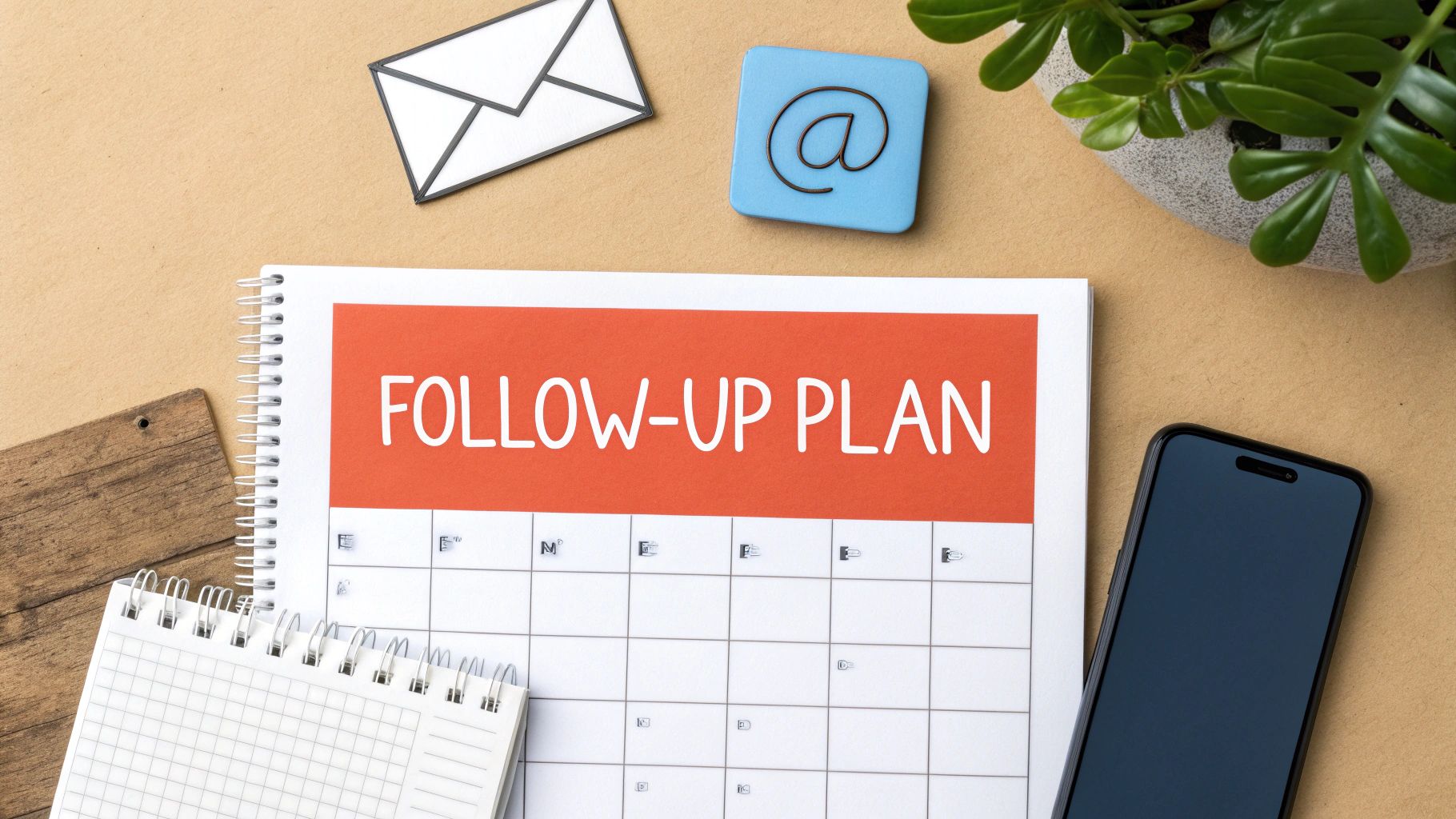
A LinkedIn connection creates a lasting link. It keeps you on the interviewer's radar for future jobs. It also lets you show your knowledge by sharing relevant posts. This method is a smart move for your long-term career.
How to Implement This Strategy
A good LinkedIn request needs a personal touch and good timing. A generic request is easy to ignore. A custom note shows real interest and helps you stand out.
- Connect Promptly: Send the request within 24 hours of the interview. It is best to send it after your thank-you email. This keeps the momentum going.
- Always Add a Note: Never just click "Connect." Use the "Add a note" option to write a short, personal message. This reminds them who you are.
- Reference the Conversation: Make your note specific. Mention the job you interviewed for. Refer to a point from your discussion. For example: "Hi [Interviewer's Name], it was great talking to you today about the [Job Title] role. I enjoyed our chat about your team's new marketing plan."
Key Insight: A LinkedIn follow-up builds a professional bridge. It is a low-pressure way to stay in touch. This makes it a great way to follow up for long-term networking.
Once you connect, stay visible. You can like or comment on their posts sometimes. This keeps you on their mind without being annoying. Networking is a key part of managing your career. It can be easier with tools that help you apply to jobs and manage your online presence. The AI Auto Apply service from Gainrep helps with this. This approach ensures your professional network is always growing.
3. The Strategic Multi-Touch Follow-Up Sequence
A single thank-you email is important. Sometimes, the best way to follow up after an interview is with a more persistent plan. A multi-touch sequence is a series of 3-4 contacts over one to two weeks. It uses different channels like email and LinkedIn. This method keeps you visible without looking desperate.
This plan is not about sending the same message over and over. Each message should add new value. It should also confirm why you are right for the role. By using different channels and content, you show you are thorough and truly interested.
How to Implement This Strategy
A good multi-touch sequence needs planning and a personal touch. Each step should feel natural and helpful to the hiring manager.
- Plan Your Timeline: Space your contacts about 3-4 days apart. This avoids overwhelming the person. A good plan might be: Day 1 (Thank-you email), Day 5 (LinkedIn connection), Day 9 (Value-add email), and Day 14 (Final check-in).
- Vary Your Content and Channel: Your first contact is the thank-you email. The second could be a LinkedIn request with a personal note. The third could be an email with a useful article related to your talk.
- Track Your Communications: Use a simple spreadsheet to log each contact. Note the date, channel, person, and message. This helps you avoid sending the same information twice.
- Personalize Every Message: Do not use a generic template for every message. Each message should build on the last one. It should also refer to specific details from your talk. For example, "After our chat about your Q4 goals, I found this case study that I thought you might find interesting."
Key Insight: The goal is to build a story of your engagement. Each message in your sequence adds to your story. It shows you as a proactive and thoughtful candidate.
Managing many job applications and follow-ups can be hard. Tools that help you apply to jobs automatically, like the AI-powered tools at GainRep, can save you time. This lets you focus on these important, personalized messages.
Always respect boundaries. If you get a clear rejection, stop your follow-up sequence. The plan is to show interest, not to be pushy.
4. The Value-Add Follow-Up Email
The 24-hour thank you is like a handshake. The value-add follow-up is the thoughtful talk that comes next. You can send this message about 5-7 days after your interview. It gives real value to the hiring team. It shows you are not just a candidate. You are a resourceful professional already thinking about their challenges.
This smart contact proves you are still engaged. It shows you can contribute right away. Instead of just asking for an update, you give something helpful. This action builds a good professional relationship. It also makes you more memorable. This is a powerful way to follow up after an interview.
How to Implement This Strategy
A good value-add email must be relevant and subtle. The goal is to be helpful, not to show off. Your offer should connect to something you discussed in the interview.
- Optimal Timing: Send this email about 5-7 business days after your first thank-you note. This is a perfect time to remind them of you as they might be making decisions.
- Share a Relevant Resource: Find a quality article, industry report, or case study. It should relate to a problem or goal they mentioned. For example, if you talked about a new market, send a link to an analysis of that market.
- Keep it Brief and Action-Oriented: Your message should be short. Introduce the resource and explain why it might be helpful. Do not ask for a status update. The value you provide is the only purpose of the email. For example, "I saw this case study on a competitor's launch and thought of our conversation about your new product."
Key Insight: A value-add email changes the focus. You are not asking for a job. You are offering a solution. It shows your expertise and real interest in the company's success.
This approach keeps communication open in a professional way. It shows that you listen and think critically. By providing real value, you make your follow-up a memorable professional gesture.
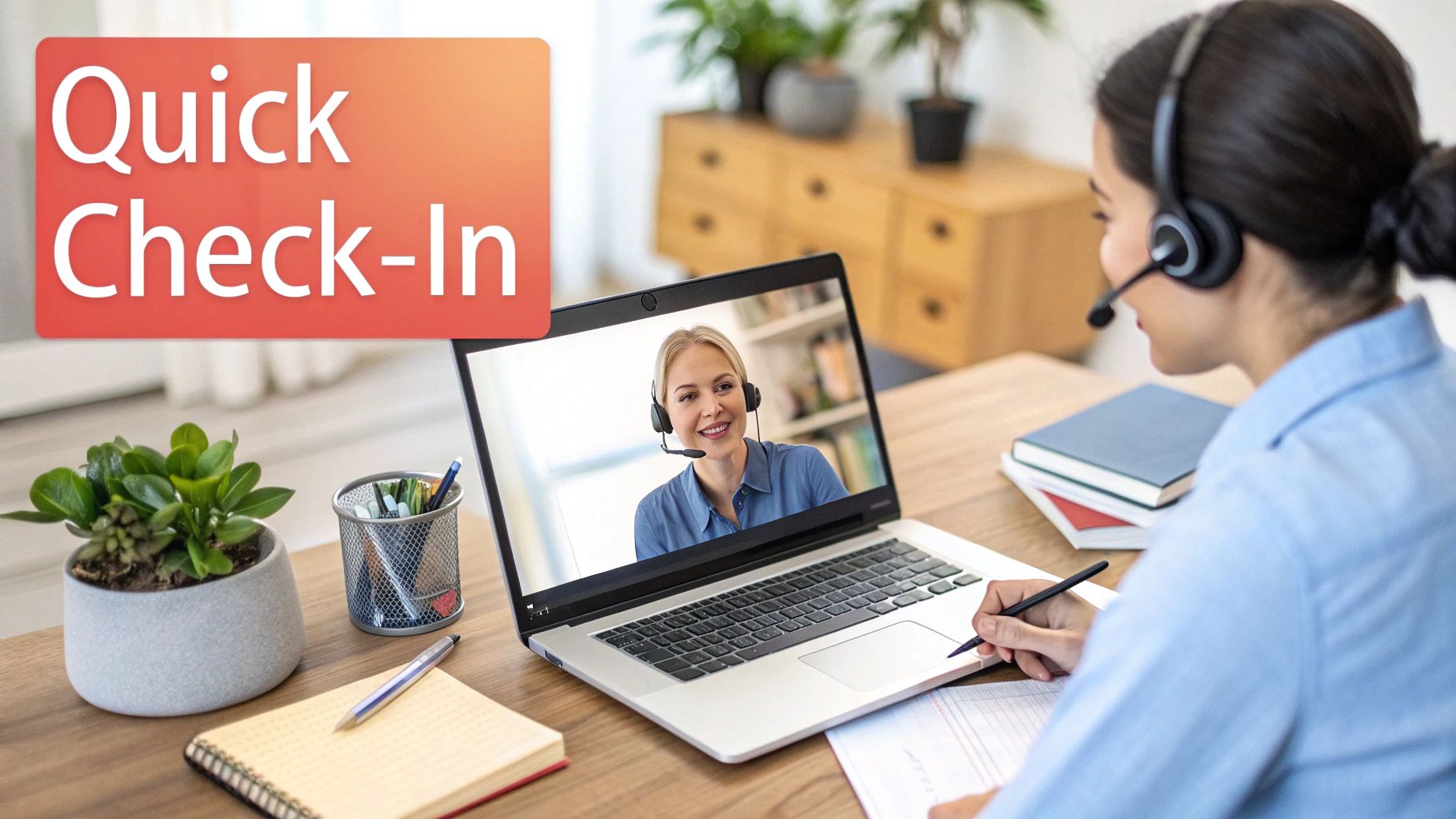
5. The Phone or Video Call Follow-Up
In a world full of emails, a phone or video call can make you stand out. This personal approach shows confidence and high interest. It helps you create a stronger connection with the hiring manager. This strategy is a great way to follow up after an interview if you already have a good rapport.
This is not about making a cold call. It is a planned move that needs skill and permission. When done right, it can put you ahead of other candidates. It shows your initiative and good people skills.
How to Implement This Strategy
A successful call follow-up depends on respecting the manager's time. You also need a clear purpose. You must be professional, prepared, and brief to make a good impression.
- Always Ask for Permission First: Never call without notice. Send a short email asking for a 5-10 minute call. For example: "I would appreciate a brief 5-minute call next week to follow up. Would Tuesday at 10:00 AM work for you?"
- Be Prepared but Natural: Have a few key points ready. You can repeat your top qualification or ask a smart question. Avoid sounding like you are reading from a script.
- Keep it Brief and Respectful: Stick to the time you requested. The goal is to check in, show your excitement, and ask about the timeline. Thank them for their time.
- Choose the Right Environment: Make sure you are in a quiet place with a good connection. Professionalism in your setting is important.
Key Insight: A call follow-up is a high-impact strategy. It works best for senior roles. It is also good when you have a strong connection with the interviewer.
This personal touch can make a big difference. By showing you are willing to do more, you prove your commitment. This makes your application hard to forget.
6. The Status Check-In After Silence
It can be stressful when the interviewer's timeline passes with no news. Sending a status check-in email is the best way to follow up in this case. You should send it about 10 to 14 days after the interview. This polite note asks about the hiring process. It does not sound impatient or demanding.
This follow-up gently reminds them of your interest. Hiring delays are common. Your brief and polite check-in shows you are understanding. It also shows you are proactive about your application.
How to Implement This Strategy
The key to this follow-up is a light touch. Your goal is to get an update, not to push for a decision. A well-written, short message is important.
- Timing is Everything: Send this email only after the promised date has passed. If no date was given, wait at least 10 business days. This respects their process.
- Keep it Brief and Professional: Your email should be short. Get to the point but stay friendly and patient. Use a subject line like "Checking in about the [Job Title] role."
- Use “Checking In” Language: Phrases like "I wanted to check in on the timeline" sound softer than "I am following up on your decision." Assume they are busy.
Key Insight: This check-in is not about forcing an answer. It is about reconnecting and showing your continued interest. A simple, polite email can bring your application back to their attention.
While you wait for a reply, you should continue your job search. Having other options reduces stress. You can make this process easier by using an AI-powered job application tool. It helps you manage many applications at once. If you do not hear back in another 3 to 5 days, it is best to focus on other jobs.
7. The Rejection-Response Follow-Up
Getting a rejection email is disappointing. How you reply can leave a good impression. It can even open doors for future jobs. Sending a short, polite reply is a powerful strategy. This follow-up shows you are professional, mature, and interested in the company.
This response is not about changing their mind. It is about ending the process well. It also keeps the professional relationship going. You show you value their time. This makes you a strong candidate for future roles. This is one of the best ways to follow up, even with bad news.
How to Implement This Strategy
Your response should be quick, professional, and positive. A good reply can turn a closed door into a networking chance.
- Respond Promptly and Politely: Send your reply within 24 hours. A simple message is enough. For example: "Thank you for letting me know. I enjoyed learning about the team at [Company Name]."
- Express Continued Interest: Briefly say you are still interested in the company. You could say, "Please keep me in mind for future roles. I would still love to work with you."
- Request Feedback (Optional): If you want to learn, you can ask for feedback. Be polite: "If you have a moment, I would appreciate any feedback on my interview. I am always looking to improve." Know that some companies cannot give feedback.
Key Insight: A rejection response turns a bad outcome into a good networking moment. It shows you are resilient and professional. Hiring managers remember these qualities.
This mature approach leaves a good final impression. It keeps you on the company’s list for the future. As you continue your job search, make sure every part of your application is perfect. You can apply to more roles automatically with a tool like GainRep's AI job application service.
Never question their decision or seem bitter. Your goal is to build a bridge, not burn one. This professional courtesy can help you in your long-term career.
8. The Referral-Based Follow-Up Message
Using a connection who referred you is a smart way to follow up. This plan involves messaging your referrer. You thank them and update them. You also politely ask them to support you. An inside supporter can give you good advice and put in a good word.
This follow-up is a strategic move inside the company. Your referrer has built trust there. Their good feedback about you can mean more than an email from you. It is a strong way to support your application from the inside.
How to Implement This Strategy
A successful referral follow-up needs to be respectful and smart. You are asking someone to help you. So, you must be careful.
- Update Your Referrer Promptly: Contact your referrer soon after the interview. Tell them how it went. Mention good moments you had with the interviewers. This gives them fresh information to use.
- Provide Clear Talking Points: Do not expect your contact to know what to say. Give them a short summary of why you are a good fit. Mention 1-2 key skills that the interviewers seemed to like. For example, "They really need project management skills, and I told them about my successful XYZ project."
- Make a Gentle Ask: Ask for their support as an option, not a demand. You could say, "If you feel comfortable, I would be grateful if you could share any positive thoughts with the hiring manager." This respects their relationships at work.
Key Insight: An internal referral is a strong endorsement. Following up with them gives your supporter the information they need. It helps them support you well.
Do not forget to thank them for their help. Keep them updated on the final result. This keeps your professional relationship positive. Building a strong network is important. A tool like Gainrep can help you find more jobs where you can use these connections. This is a subtle but powerful way to follow up that many people miss.
8 Interview Follow-Up Methods Compared
| Method | 🔄 Complexity | ⚡ Resources & timing | 📊 Expected outcomes | 💡 Ideal use cases | ⭐ Key advantages |
|---|---|---|---|---|---|
| The 24-Hour Thank You Email | Low — single short message | ⚡ Very low effort; send within 24 hrs (ideally 4 hrs) | 📊 Keeps you top-of-mind; modest reply rate | 💡 Routine post-interview follow-up for most roles | ⭐ Low effort, professional impression |
| Personalized LinkedIn Connection Message | Low–Medium — brief personalization | ⚡ Low effort; send same day (2–4 hrs); needs profile polish | 📊 Builds long-term visibility; lower immediate hiring impact | 💡 Networking-focused roles; when interviewer is active on LinkedIn | ⭐ Creates lasting professional connection |
| Strategic Multi-Touch Follow-Up Sequence | High — coordinated multi-step plan | ⚡ High time investment over 7–14 days; tracking required | 📊 High visibility and recall; higher conversion when well-executed | 💡 Competitive searches or roles needing persistence | ⭐ Multiple opportunities to add value and stay noticed |
| Value-Add Follow-Up Email | Medium — curated content + brief note | ⚡ Moderate effort; send day 5–7 after interview | 📊 Differentiates candidate; can restart stalled conversations | 💡 When you can share relevant research, ideas, or solutions | ⭐ Demonstrates expertise and initiative |
| Phone or Video Call Follow-Up | Medium–High — synchronous, permission-based | ⚡ Scheduling and prep required; request day 3–4, call day 5–7 | 📊 Strong rapport and immediate clarification; risky if mistimed | 💡 Senior roles or when rapport is already strong | ⭐ Most memorable and personal when appropriate |
| Status Check-In After Silence | Low — brief, respectful inquiry | ⚡ Very low effort; send 10–14 days after interview | 📊 Elicits timeline updates; modest chance to reopen dialogue | 💡 No updates received by expected decision date | ⭐ Polite nudge that aids your planning |
| Rejection-Response Follow-Up | Low — concise, gracious message | ⚡ Low effort; send within 24 hrs of rejection | 📊 Maintains relationship; may elicit feedback or referrals | 💡 After formal rejection when you want to stay connected | ⭐ Preserves goodwill and future opportunities |
| Referral-Based Follow-Up Message | Medium — depends on internal contact | ⚡ Moderate effort; contact referrer within 2–3 days | 📊 Often highest hiring impact when advocate is influential | 💡 Companies with strong referral culture or internal sponsor | ⭐ Leverages internal credibility to accelerate consideration |
Turn Your Follow-Up Into Your Next Job Offer
Learning the best way to follow up after an interview changes you. You become a proactive professional, not just a waiting candidate. The interview continues through your thoughtful follow-up messages. The methods we have shown are not just polite gestures. They are powerful tools to keep you in mind and show your skills.
Think of your follow-up as the last chapter of your interview story. Each message builds a stronger bond with the hiring team. It is your chance to answer questions and show your excitement. It proves you are the organized, hardworking candidate they want. A good follow-up can be the one thing that moves you from the "maybe" pile to the "offer" pile.
Key Takeaways for Effective Follow-Up
To make sure your follow-up plan works, remember these main ideas:
- Timeliness is Paramount: Your first thank-you note should always be sent within 24 hours. Later check-ins should respect the hiring manager's timeline.
- Personalization Trumps Templates: Generic messages are easy to forget. Always use specific details from your conversation. This shows you were listening.
- Add Value, Don't Just Ask: Instead of just asking for an update, try to offer something useful. This could be an interesting article or a solution to a problem they mentioned.
- Maintain Professionalism, Always: Your tone should always be positive and professional. This is true even when you are checking in or responding to a rejection. Building a strong network means never burning a bridge.
Your Actionable Next Steps
Your journey does not end here. The best way to follow up after an interview is to have a clear plan. Before your next interview, outline your follow-up steps.
- Prepare Your Template: Draft a thank-you email template that you can easily customize.
- Take Great Notes: During the interview, write down names, key topics, and any problems the team has. These notes are very useful for personalization.
- Set a Reminder: Use your calendar to set a reminder for 24 hours after the interview to send your thank-you note. Set another reminder for one or two weeks later for a possible check-in.
By using these clear steps, you take control. You are no longer just waiting. You are showing the qualities of a great employee. You are organized, thoughtful, and motivated. This active approach helps you get the current job. It also builds a good reputation for your future career. Your follow-up is your final pitch. Make it count.
Navigating the interview process and crafting the perfect follow-up can be demanding. Let Gainrep streamline your entire job search with AI-powered tools that help you apply to more jobs, faster. While you focus on acing the interview and personalizing your follow-up, our platform handles the heavy lifting of finding and applying for relevant roles. Visit Gainrep to see how you can automate your applications and dedicate more time to what truly matters: making a great impression.
